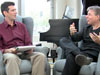
The Dangers of Cold Drafts for Pianos and PianistsAn important topic for all pianists and piano ownersIn this video, Robert talks about the dangers of cold drafts to your piano and your hands. Released on December 24, 2025 DISCLAIMER: The views and the opinions expressed in this video are those of the author and do not necessarily reflect the views of Virtual Sheet Music and its employees. Video TranscriptionThe danger of cold drafts on pianos and pianists. Everyone knows sunlight destroys pianos, but did you know that there's an invisible waterfall that ruins pianos placed near windows even at night? And for us pianists, cold hands aren't just uncomfortable, there's a biological change that happens inside your knuckles that makes playing impossible. We're going to solve both these mysteries today. Welcome to LivingPianos.com, I'm Robert Estrin. We have a fascinating email today that touches on physics, instrument health, and human physiology. It's from John of Ewer in Houston asking about that wintry weather many of us face. Hey Robert, I hope you're doing okay, enough for better in the wintry weather. I'm seeing on TV for your Cleveland area. And believe me, getting used to Cleveland weather after living in Southern California for 20 years is quite an adjustment. But anyway, he goes on to say, what if you had a big glass display window at your store and a piano you're getting cold air downdraft? How would that be affected? Any differential tuning, soundboard or rim changes, mechanism response changes, our own listening ability if we're colder too, our dexterity in playing? Best wishes, John. Well, all of the Beach Boys, we wish the pianos and us could be in San Diego now. I know the feeling. John, use a word that is key to everything here, downdraft. We all love the look of a grand piano in a bay window. Here's the science. It comes down to convection. Glass is cold, warm air hits the glass, it cools instantly, cool air is heavier, it sinks. The result? It creates a continuous cycle, convection current. It's literally a waterfall of cold air pouring over your piano 24 -7. So why is this cold air dangerous? It's not just the temperature. The real enemy? It's humidity or the lack of humidity. Sounds funny, but let me explain a little bit. Cold air can't hold moisture. That waterfall effect is actually a beam of dry air. The dry air hits the soundboard, the wood shrinks, the crown, you know, that arching of the soundboard, which is responsible for the proper tone of the piano, it flattens out. So the sound you lose sustain and power, the piano sounds dead. The window side of the piano is freezing dry. The room side is warm and humid. The soundboard kind of twists. It's a nightmare. The tuning doesn't just go flat, it goes chaotically out of tune. Now, you might wonder, what about the thousands of moving parts? You see it doesn't stop there, huh? Pianos are wood, felt, and metal. Felt bushings are there wherever there's friction, and the felt reacts to the cold. They get hard and stiff. The result? The action feels sluggish. You ever notice that on your piano in the winter? The keys don't return as fast. It feels like you're fighting the instrument. Now, John also asked about, can we play well in the cold? You know, we've all tried to play with cold hands, and it's a nightmare. Body shunts blood to the core, kind of in survival mode. Hands get cold, interosseous muscles, the tiny muscles between fingers, stiffen up. So, if you're shivering, your focus is gone. You can't listen critically if your body is in distress. Remember, that invisible waterfall I mentioned at the beginning, it's real. The fix? Well, you can use heavy drapes, better yet, thermal curtains. The best thing is, you can move the piano. Do you have another room that maybe, you know, it could work better in? Don't let the beauty of the window destroy the beauty of the tone of your piano. And that biological change in your knuckles, it's synovial fluid. This fluid lubricates your knuckles. In the cold, it becomes more viscous. The takeaway? You literally have more friction in your joints. You can't play fast virtuoso music with cold hands. It's physically impossible. So, here's a tip for you, and I've talked about this before. Run your hands under warm water before practicing. Not hot, just warm for a while. Get that blood warmed up in your hands and get those fluids moving better. So, that's a great question, John, and everybody keep your pianos warm and humidified and stay warm yourself. Thanks for joining me. I'm Robert Estrin here at LivingPianos.com, your online piano resource. Find the original source of this video at this link: https://livingpianos.com/the-dangers-of-cold-drafts-for-pianos-and-pianists/ Automatic video-to-text transcription by DaDaScribe.com |
What next?
• Be notified of new videos• Browse piano sheet music repertoire • Visit Robert Estrin's website • Contact Robert Estrin via e-mail • Contact Robert Estrin at (949) 244-3729 • Become a Member!
|
||||||||||




We are certified by






Stay Updated & Receive the free "Music Principles" ebook!