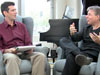
The Secret Skill Every Pianist Needs to MasterWhy You Must Learn to Fake At The PianoMaintain musical flow by improvising through mistakes during performance. Released on March 25, 2026 DISCLAIMER: The views and the opinions expressed in this video are those of the author and do not necessarily reflect the views of Virtual Sheet Music and its employees. Video TranscriptionWelcome to LivingPianos.com, Robert Estrin here with a really provocative subject today, why you must learn to fake at the piano. Fake at the piano? Now, any of you have teachers or studied, you know that faking is the worst thing you can ever do. You want to play with integrity. You want to play the score honestly. So how can I be telling you absolutely must learn how to fake? Well, you're going to learn the real reason and how it's essential for you to get this skill. I'm calling faking a skill. What is the matter? Have I gone out of my mind? Well, let me explain to you. I've talked about in the past how you must have a wall between practicing and playing and they're two completely different experiences. And if you ever confuse them and you're not sure which one you're doing, you're not accomplishing either one. Here's the thing. When you're playing, when you're practicing, let's say, and something goes wrong, you want to stop, you want to find the spot in the score, you want to take note of the correction, you want to make the correction, you want to cement the correction, then you want to go back a little bit and be able to pass that point, pass the correction, then you want to start all the way back to the beginning of the piece or the beginning of the major section and be able to incorporate that. It's a whole process. But number one is any mistake you make, even if it's hesitating or a wrong finger or a wrong expression, you want to stop and not allow it to become ingrained. You want to nip it in the bud. When you're performing, it's exactly the opposite. The last thing in the world anybody wants to hear is, hear you practice when you're playing for them. So, when something goes wrong, you must keep going no matter what. Now, how can you possibly do such a thing? You ever wonder how concert pianists can play, you know, hours and they never seem to make a mistake? But of course, nobody's perfect. There's always finger slips or inevitable memory issues. I remember when I was a young child, I got the experience of hearing Arthur Rubenstein in concert. It was his 80th birthday. This is a heck of a long time ago. And I remember being enthralled with it. We got to meet him after the concert and he was so gracious. And after the concert, I was really shocked that my father said, oh, in the Beethoven Sonny Played? Oh boy, he was improvising up a storm there. I said, what are you talking about? Apparently, little did I know or little did the audience know that in a certain point, I guess he had a little memory issue. And so he just kind of improvised his way out of it. Now, not being intimately familiar with the piece, I had no idea it even happened. And I bet 98 % of the audience had no idea what happened unless somebody who studied the piece and knew every note intimately. And that's exactly what seasoned artists are able to do to avoid ever having the audience have to endure listening to them go back and make a correction. Because think about this. You ever watch a motion picture? And sometimes you can space out or you can be concentrating. But if there's a jar, like a jump cut where it misses a few frames or it goes back even a second or less, it's jarring. It ruins the whole flow and takes you out of the magic. And that's exactly what happens in a musical performance. As soon as you lose time, even people who are tone deaf, who know nothing about music, they're listening to you, they're kind of enjoying it, they're kind of tapping along with their feet. And suddenly they can't tap along and it takes them out of the moment. And suddenly instead of being enjoying the music, they're kind of worried about you. They're thinking, or what happened there? I don't get it. It makes for tension in the listener instead of enjoyment. Now you may want to make that correction desperately, but you must resist the temptation to make corrections during a performance. Now how can you practice such a thing? Well there's practicing and there's performing and there's also practicing performing. You must always know when you sit down at the piano, are you practicing or are you performing or are you practicing performing? Because these are distinctly different activities. Now when you practice performing, first of all take a piece that you really feel solid with and then go through it as if it's a performance and don't stop no matter what. Keep it going. Now you might think, how can you do that? Well, if you have even the skeleton of the piece, you can keep even one hand going while the other hand kind of plays around until it can find the right notes, it's far better than stopping and going back or skipping. Let me demonstrate for you. I'm going to play something everybody knows. I'm going to play a little bit of Für Elise and I'm going to purposely make a mistake and you'll hear how disruptive this can be. See you see how it just pulls you out of the performance and it's jarring because you can't relax and enjoy the music and you start becoming cognizant of the performer and the anxiety they must be feeling instead of just enjoying the music. Now I'm going to make a similar mistake but I'm just going to keep going and I'm actually going to make an even worse mistake than I did before. I'm going to, dare I say it, I'm going to fake just enough to get back on track without disturbing the flow of the music and tell me how different this is, the way it feels in the performance. Now that was an abomination but somebody listening might even in their mind go, huh, huh, wait a minute, was that blurry? And it comes and it goes because it didn't disrupt the flow of the music. Now I'm asking you and you can leave it here in the comments at livingpianos .com and by the way if you haven't subscribed yet you've got to check it out because this video is coming out all the time on a really wide range of subjects of pianos and piano playing for you. So you notice if you listen back to those two different ways of dealing with a mistake, one way takes you out of the moment and even though I actually purposely made way more mistakes the second time but I kept it moving. Now how can you practice such a thing? For one thing you want to be able to sing your music. Why is singing so important? Well piano is one of the few instruments that you don't have to hear what you're playing before you play it. Singing you absolutely have to hear or you can't even produce the pitch. On an instrument like the French horn, I know because I'm also a French hornist, you have to hear the notes before you play them and the pitch on a string instrument, on the piano you push a key and it just sounds but you're missing out on the whole music. You want to be able to sing at least the melody line. Now if you sing a melody line and you can be able to play by ear to any extent at all, you should be able to find your way and the secret is not going back, not going ahead but staying where you are in the music and keep the fingers moving, keep counting so you know where you are and get back on track. And when you learn how to do that with, dare I say it, faking, it's so much better than stopping and going back. Nobody wants to hear that during a performance. So to recap, of course prepare like crazy. Before ever playing a performance you should have it solid and then be able to practice performances as I described. You can even record it, put your phone up there and press record and don't stop no matter what and get used to playing for people, larger and larger groups of people and use those opportunities to experiment with this, of trying to keep going no matter what and if you learn how to do this it's going to be a game changer for you because then you don't have the same fear of performing, you know you can get through it and the audience will appreciate it immeasurably. So remember, draw that inseparable wall between practicing and performing and make sure that you know which one you're doing and then lastly practice performing and you too can learn how to fake and you can learn how to fake so well. I have had, believe it or not, I've had circumstances where I've had just a blank moment of memory and I didn't know where to go and I played by ear and realized that when I got done I actually hit the right notes because I'm used to playing by ear because I improvise constantly so I have a connection with what I hear and what I play. What a great way to develop your ear, make up music at the piano, have fun with it, sing, try to find the notes you sing on the piano, get that connection and you're faking to be so superb it'll be like that Rubenstein concert where nobody was the wiser that it wasn't every note that Beethoven wrote. That's the lesson for today, embrace this and it'll be a game changer for your performing on the piano. Again, I'm Robert Estrin, this is LivingPianos.com, we are your online piano resource. Thanks to all you subscribers, see you next time. Find the original source of this video at this link: https://livingpianos.com/why-you-must-learn-to-fake-at-the-piano/ Automatic video-to-text transcription by DaDaScribe.com |
What next?
• Be notified of new videos• Browse piano sheet music repertoire • Visit Robert Estrin's website • Contact Robert Estrin via e-mail • Contact Robert Estrin at (949) 244-3729 • Become a Member!
|
||||||||||



We are certified by






Stay Updated & Receive the free "Music Principles" ebook!